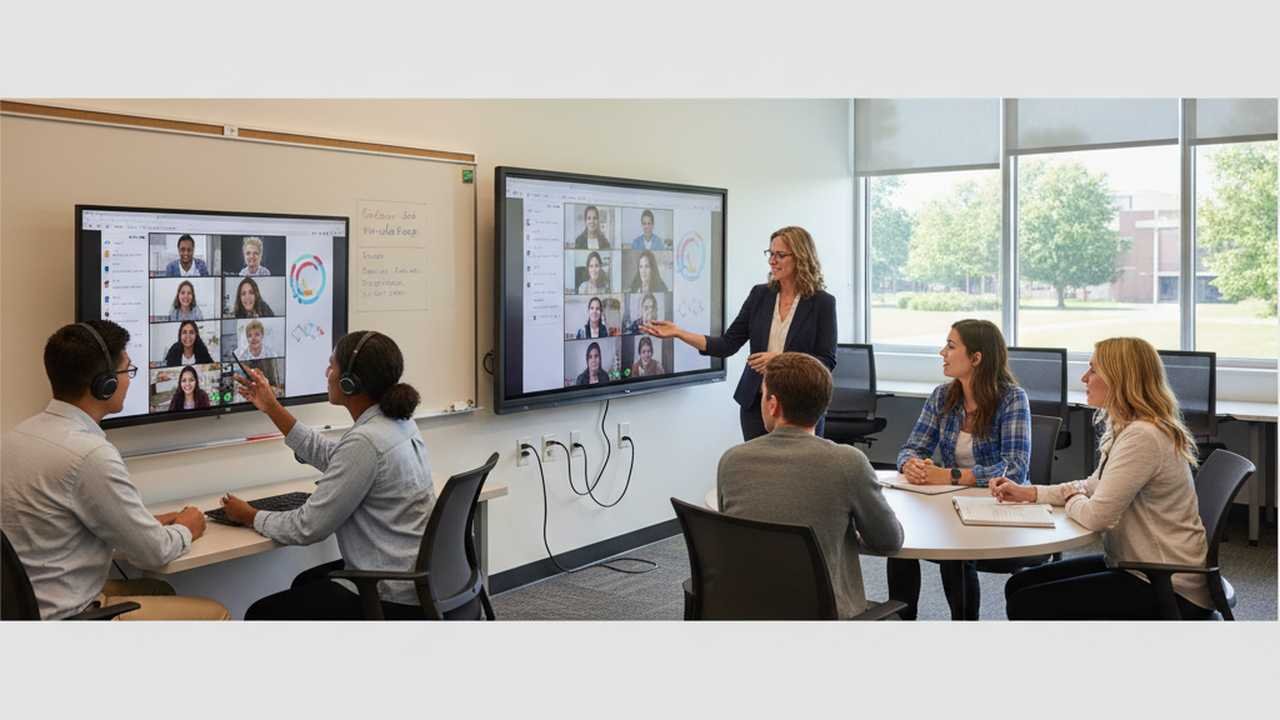
Imagine a classroom where students are not just present but actively engaged, their eyes alight with curiosity, their minds buzzing with ideas. In the realm of virtual and hybrid learning, this vibrant energy can sometimes feel elusive. Yet, it’s not only possible to cultivate this dynamic environment – it’s imperative. As educational landscapes shift, the role of educational agents becomes increasingly pivotal in bridging the gap between traditional and digital learning experiences.
Understanding the Landscape of Virtual and Hybrid Classrooms
The transition to virtual and hybrid classrooms has revolutionized education, offering unprecedented flexibility and access. However, this shift also presents unique challenges in maintaining student engagement. Without the physical presence of a teacher, students may feel isolated, leading to disengagement. To counteract this, educational agents play a crucial role in creating interactive and supportive learning environments that mimic the energy of traditional classrooms.
In these digital spaces, engagement is not merely about participation; it’s about fostering a sense of belonging and connection. Interactive tools, real-time feedback, and collaborative platforms are essential in keeping students motivated and involved. By leveraging technology effectively, educators can transform passive learning into an active, immersive experience that captivates students’ attention and ignites their passion for learning.
The Role of Educational Agents in Enhancing Engagement
Educational agents are more than facilitators; they are the architects of the learning experience. Their expertise in integrating technology with pedagogy ensures that virtual and hybrid classrooms are not just functional but dynamic and engaging. Through personalized learning paths, real-time assessments, and adaptive learning technologies, educational agents tailor the educational experience to meet the diverse needs of students.
Moreover, these professionals serve as liaisons between students and the broader educational ecosystem, ensuring that learners have access to resources, support, and opportunities that enhance their learning journey. Their ability to anticipate challenges and proactively implement solutions is key to maintaining high levels of student engagement in digital learning environments.
Strategies to Foster Active Participation
Active participation is the cornerstone of engagement. To cultivate this in virtual and hybrid classrooms, educators must employ strategies that encourage students to take ownership of their learning. This includes incorporating interactive elements such as polls, quizzes, and discussion forums that prompt students to think critically and contribute meaningfully.
Additionally, project-based learning and collaborative assignments can simulate real-world scenarios, making learning more relevant and engaging. By providing opportunities for students to work together, even in a virtual setting, educators can foster a sense of community and shared purpose that enhances motivation and participation.
Leveraging Technology to Create Immersive Learning Experiences
Technology, when used effectively, can transform the learning experience from mundane to extraordinary. Virtual reality (VR), augmented reality (AR), and gamified learning platforms offer immersive experiences that captivate students’ imaginations and make learning more engaging.
For instance, VR can transport students to historical events, scientific phenomena, or literary worlds, providing experiential learning opportunities that are both educational and exciting. Similarly, gamified platforms introduce elements of competition and achievement, motivating students to engage with the material actively and persistently.
Building a Supportive and Inclusive Learning Environment
An inclusive learning environment is one where all students feel valued, supported, and capable of succeeding. To build such an environment, educators must be intentional in their efforts to recognize and address the diverse needs of their students. This includes providing accommodations for students with disabilities, offering language support for English language learners, and ensuring that all students have access to the necessary technology and resources.
Furthermore, fostering a culture of respect and empathy within the classroom encourages students to engage more fully. When students feel safe and supported, they are more likely to participate actively and take risks in their learning, leading to deeper engagement and understanding.
Utilizing Data to Inform Instructional Practices
Data-driven decision-making is essential in maintaining student engagement. By analyzing student performance data, educators can identify trends, assess the effectiveness of instructional strategies, and make informed adjustments to their teaching practices.
For example, if data reveals that students are struggling with a particular concept, educators can implement targeted interventions, such as additional practice materials, one-on-one tutoring sessions, or alternative explanations, to address the issue promptly. This proactive approach ensures that students receive the support they need to stay engaged and succeed.
Encouraging Student Autonomy and Self-Regulation
Empowering students to take control of their learning fosters a sense of ownership and responsibility. Encouraging self-regulation involves teaching students strategies to set goals, monitor their progress, and reflect on their learning experiences.
Tools such as digital portfolios, self-assessment rubrics, and reflective journals can aid students in developing these skills. By promoting autonomy, educators help students become more engaged and motivated learners, capable of navigating the challenges of virtual and hybrid learning environments independently.
Maintaining Consistent Communication and Feedback
Regular communication and timely feedback are vital components of student engagement. In virtual and hybrid classrooms, the absence of face-to-face interactions can lead to feelings of disconnection and disengagement. To mitigate this, educators must establish clear communication channels and provide consistent feedback on student performance.
Utilizing platforms that facilitate asynchronous communication, such as discussion boards and messaging apps, allows students to seek clarification, ask questions, and engage in discussions at their convenience. Additionally, providing constructive feedback on assignments and assessments helps students understand their strengths and areas for improvement, keeping them engaged and motivated to succeed.
Adapting to the Evolving Educational Landscape
The educational landscape is continually evolving, and educators must be adaptable to maintain student engagement. Staying informed about emerging technologies, pedagogical strategies, and best practices ensures that teaching methods remain relevant and effective.
Professional development opportunities, collaboration with colleagues, and participation in educational communities can provide educators with the knowledge and skills necessary to adapt to changes and challenges in the educational environment. By embracing change and innovation, educators can create dynamic and engaging learning experiences that meet the needs of all students.
As educators strive to create inclusive and effective learning environments, the importance of fair assessment methods becomes increasingly clear. By exploring various strategies outlined in our guide on Education Policy Certificate, teachers can enhance their evaluation practices to better support student achievement.