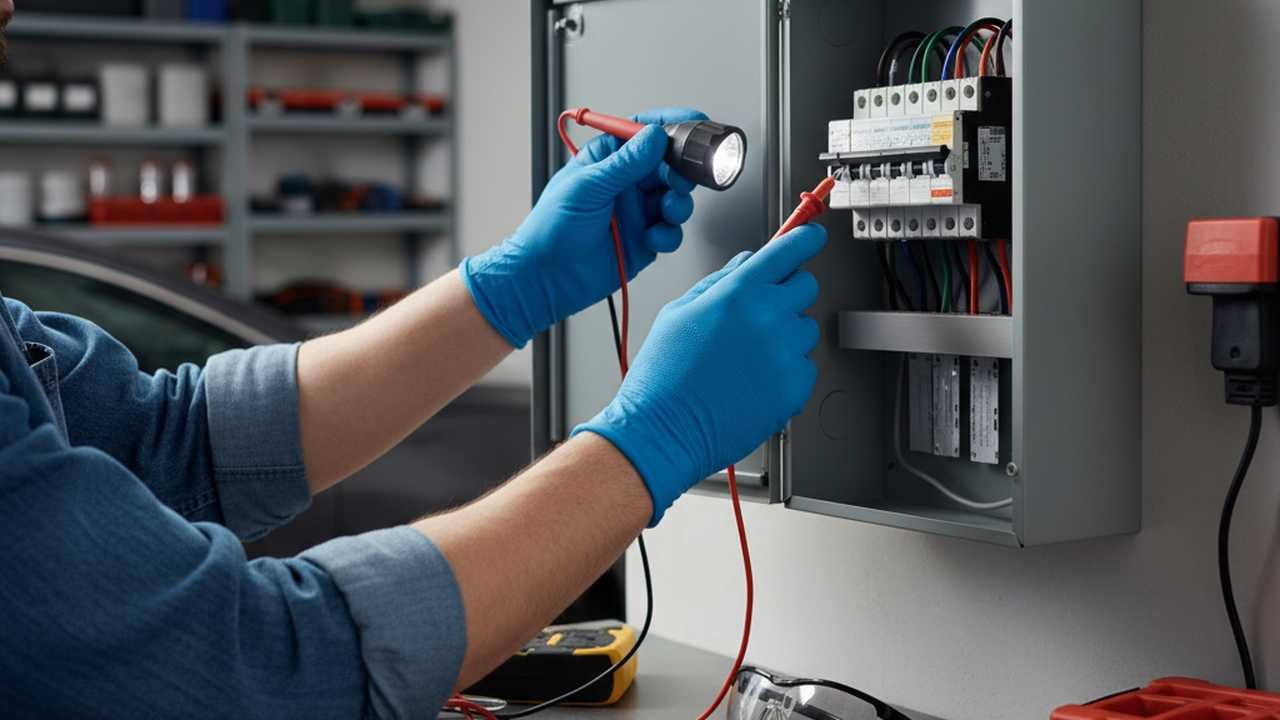
Imagine this: it’s a quiet evening, and suddenly, the lights flicker ominously. A surge of unease washes over you. Electrical issues aren’t just inconvenient – they’re urgent, potentially hazardous, and often signs of deeper problems lurking within your home’s wiring. Ignoring them isn’t an option; it’s a risk you can’t afford to take. This comprehensive guide is your lifeline, offering step-by-step instructions to tackle common electrical problems safely and effectively. Don’t wait for a minor glitch to escalate into a major disaster. Arm yourself with knowledge and take control of your home’s electrical health today.
Understanding the Electrical System in Your Home
Your home’s electrical system is the unseen force that powers everything from your refrigerator to your smartphone charger. It’s a complex network of wires, outlets, switches, and circuit breakers working in harmony. However, like any system, it can develop faults over time. Understanding its components is crucial for diagnosing and fixing issues. Start by familiarizing yourself with your home’s electrical panel – this is the heart of your system. Know how to turn off the power to specific circuits, and always ensure the main breaker is in the ‘off’ position before attempting any repairs. Remember, safety is paramount. If you’re ever in doubt, consult a licensed electrician.
Identifying Common Electrical Problems
Electrical issues often manifest in subtle ways before escalating into serious hazards. Flickering lights, tripped circuit breakers, warm outlets, or a burning smell are all warning signs that should never be ignored. These symptoms can indicate overloaded circuits, faulty wiring, or malfunctioning appliances. For instance, if a circuit breaker trips frequently, it might be due to an overloaded circuit or a short circuit. Similarly, warm or discolored outlets could signal poor connections or outdated wiring. Addressing these issues promptly can prevent potential fires or electrical shocks. Always approach electrical problems with caution and seek professional help when necessary.
Safety First: Precautions Before You Begin
Before diving into any electrical repair, prioritize safety. Always turn off the power at the circuit breaker to the area you’re working on. Use insulated tools to reduce the risk of accidental shocks. Wear rubber-soled shoes and avoid working in wet conditions. If you’re using a ladder, ensure it’s dry and stable. Additionally, never work alone; having a second person nearby can be invaluable in case of emergencies. Remember, electrical work can be dangerous. If you’re unsure about any step, it’s better to call a professional than to risk injury or further damage.
Fixing a Tripped Circuit Breaker
A tripped circuit breaker is one of the most common electrical issues homeowners face. It usually occurs when a circuit becomes overloaded or there’s a short circuit. To reset a tripped breaker, locate your home’s electrical panel and find the breaker that has switched to the ‘off’ position. Firmly switch it back to ‘on.’ If the breaker trips again immediately, there’s likely an underlying issue that needs professional attention. Never attempt to bypass or replace a circuit breaker yourself unless you’re qualified. Repeated tripping can indicate serious problems like faulty wiring or overloaded circuits, which require expert diagnosis and repair.
Dealing with Flickering or Dimming Lights
Flickering or dimming lights can be more than just an annoyance – they can signal underlying electrical problems. Common causes include loose bulbs, faulty light switches, or issues within the electrical panel. Start by checking if the bulb is securely screwed in. If the problem persists, test the light with a different bulb to rule out the fixture. If the new bulb flickers, the issue may lie with the switch or the wiring. In such cases, it’s advisable to consult an electrician. Ignoring these signs can lead to more severe issues, including electrical fires.
Replacing Faulty Outlets and Switches
Over time, outlets and switches can wear out due to frequent use. Signs of a faulty outlet include sparking, buzzing sounds, or the inability to hold a plug securely. To replace an outlet, first, turn off the power at the circuit breaker. Remove the outlet cover and unscrew the outlet from the electrical box. Carefully disconnect the wires and attach them to the new outlet, ensuring the connections are tight and secure. For switches, the process is similar. If you’re uncomfortable performing these tasks, don’t hesitate to call a licensed electrician. Proper installation is crucial for safety.
Handling Overloaded Circuits
Overloading occurs when too many devices draw power from a single circuit, exceeding its capacity. This can lead to overheating and potential fire hazards. To prevent overloads, distribute high-wattage appliances across different circuits. Avoid daisy-chaining multiple extension cords or power strips, as this can easily lead to overloads. If you frequently experience tripped breakers or warm outlets, it may be time to consult an electrician to assess and possibly upgrade your home’s wiring to handle the increased load.
Addressing Warm or Discolored Outlets
Warm or discolored outlets are serious red flags indicating poor connections or outdated wiring. These issues can lead to electrical fires if not addressed promptly. If you notice any outlet emitting heat or showing signs of discoloration, turn off the power to that circuit immediately. Do not use the outlet until it has been inspected and repaired by a professional. Regularly check outlets for signs of wear and tear, and replace any that appear damaged or outdated. Your safety is worth the investment.
When to Call a Professional Electrician
While many electrical issues can be handled by homeowners, certain situations require the expertise of a licensed electrician. If you’re unsure about the cause of an electrical problem, or if the issue involves complex wiring or the main electrical panel, it’s best to seek professional help. Additionally, if you experience frequent power outages, persistent burning smells, or if your home has outdated wiring, don’t hesitate to contact an electrician. Attempting to fix complex electrical problems without proper knowledge can lead to further damage or pose serious safety risks.
Preventive Measures to Avoid Future Electrical Issues
Prevention is always better than cure. Regularly inspect your home’s electrical system for signs of wear and tear. Replace old or frayed wiring, and ensure all outlets and switches are functioning properly. Install surge protectors to safeguard sensitive electronics from power surges. Avoid overloading circuits by distributing electrical devices evenly across your home. Educate your family members about electrical safety practices, such as not overloading power strips and turning off appliances when not in use. By taking proactive steps, you can ensure the longevity and safety of your home’s electrical system.
If you want to ensure your home remains a sanctuary, dive into essential DIY repairs and don’t hesitate to address any questions regarding education that may arise during the process.