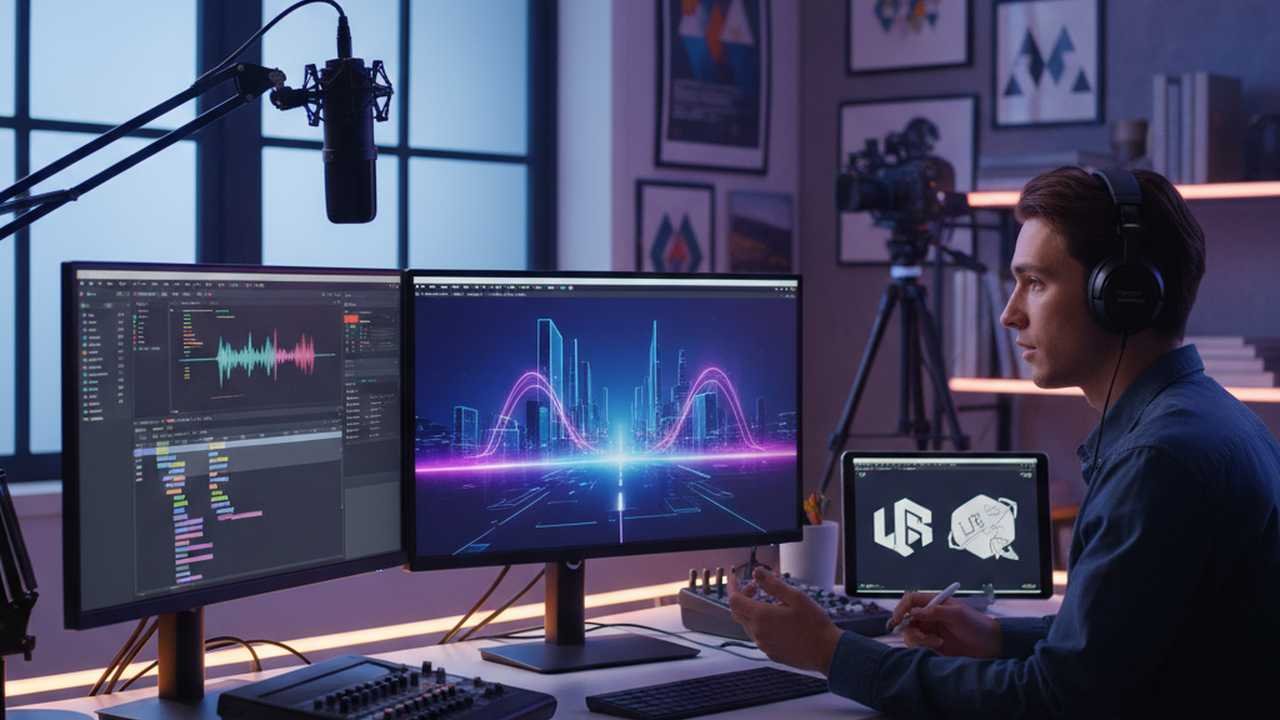
In the fast-paced world of video production, standing out is not just an option – it’s a necessity. The demand for high-quality, engaging content has never been higher, and motion graphics have emerged as a powerful tool to captivate audiences. But how do you master this dynamic art form? The answer lies in strategic learning and leveraging the right resources. One such invaluable resource is PHSC Continuing Education, offering comprehensive programs designed to elevate your skills and enhance your video production quality.
Understanding the Power of Motion Graphics
Motion graphics are more than just moving images; they are the heartbeat of modern video storytelling. Imagine a corporate video that seamlessly blends animated text, dynamic transitions, and compelling visuals to convey a brand’s message. The result is a captivating narrative that holds the viewer’s attention from start to finish. This is the magic of motion graphics – a fusion of design and animation that transforms static visuals into dynamic stories.
Incorporating motion graphics into your video production can significantly enhance storytelling. By visualizing complex data, simplifying intricate concepts, and adding an element of surprise, motion graphics make content more engaging and easier to understand. Whether it’s an explainer video, a promotional ad, or a social media post, motion graphics can elevate the production quality and viewer experience.
Why PHSC Continuing Education is Your Gateway to Mastery
Embarking on the journey to learn motion graphics requires more than just enthusiasm – it demands structured learning and expert guidance. PHSC Continuing Education offers a range of courses tailored to equip you with the necessary skills and knowledge. Their programs are designed to cater to both beginners and seasoned professionals looking to refine their craft.
One of the standout offerings is the Multimedia Arts Certificate course, which delves into core tools for interactive development, including Adobe Photoshop and Premiere Pro. This course provides hands-on experience, allowing you to create compelling motion graphics that can be seamlessly integrated into your video productions. By enrolling in such programs, you not only gain technical skills but also learn industry best practices that can set you apart in the competitive field of video production.
Essential Tools Every Motion Graphics Artist Should Master
To create stunning motion graphics, proficiency in industry-standard software is crucial. Adobe After Effects stands at the forefront, offering a plethora of features that enable the creation of intricate animations and visual effects. Coupled with Adobe Premiere Pro, which excels in video editing, these tools form the backbone of professional motion graphics production.
Beyond Adobe, other tools like Blender and Cinema 4D offer 3D modeling and animation capabilities, expanding the creative possibilities for motion graphics artists. Mastery of these tools allows you to bring your creative visions to life, whether it’s designing a logo animation, crafting a title sequence, or developing complex visual effects.
Building a Strong Foundation: Starting with the Basics
Before diving into advanced techniques, it’s essential to build a strong foundation. Understanding the principles of design, animation, and storytelling is paramount. Courses offered by PHSC Continuing Education provide a structured approach to learning these fundamentals. Through a combination of theoretical knowledge and practical application, you can develop a comprehensive understanding of motion graphics.
Starting with the basics also involves familiarizing yourself with the software tools mentioned earlier. Many online tutorials and resources are available to help you get acquainted with these programs. As you progress, you can gradually tackle more complex projects, applying the skills and techniques you’ve learned to create professional-quality motion graphics.
Advanced Techniques to Elevate Your Motion Graphics
Once you’ve mastered the basics, it’s time to explore advanced techniques that can elevate your motion graphics. Techniques such as keyframing, masking, and compositing allow for more intricate animations and visual effects. Understanding color theory and typography can also enhance the aesthetic appeal of your designs.
Additionally, integrating 3D elements into your motion graphics can add depth and realism. Tools like Blender and Cinema 4D offer robust features for 3D modeling and animation, enabling you to create complex scenes and effects. By continuously challenging yourself with advanced techniques, you can push the boundaries of your creativity and produce exceptional motion graphics.
Creating a Compelling Portfolio
In the competitive field of motion graphics, a strong portfolio is your ticket to success. Your portfolio should showcase a diverse range of projects, demonstrating your versatility and skill set. Include examples that highlight your proficiency in various techniques, such as character animation, logo design, and visual effects.
When compiling your portfolio, focus on quality over quantity. Select projects that best represent your abilities and align with the type of work you aspire to do. Additionally, consider creating personal projects that allow you to experiment with new ideas and techniques. A well-curated portfolio can attract potential clients and employers, opening doors to exciting opportunities in the field of motion graphics.
Networking and Building Industry Connections
Networking plays a crucial role in advancing your career in motion graphics. Attending industry events, joining online communities, and participating in workshops can help you connect with professionals in the field. These connections can lead to collaborations, job opportunities, and valuable insights into industry trends.
Engaging with the motion graphics community also provides opportunities for feedback and growth. Sharing your work on platforms like Behance or Dribbble allows you to receive constructive criticism and learn from others. By actively participating in the community, you can stay updated on the latest developments and continuously improve your skills.
Staying Updated with Industry Trends
The field of motion graphics is constantly evolving, with new tools, techniques, and trends emerging regularly. Staying updated with these changes is essential to remain competitive. Follow industry blogs, subscribe to online courses, and participate in webinars to keep your knowledge current.
Additionally, experimenting with new styles and approaches can help you stay ahead of the curve. Incorporating emerging trends into your work not only keeps your portfolio fresh but also demonstrates your adaptability and willingness to innovate. By staying informed and open to new ideas, you can continue to produce cutting-edge motion graphics that captivate audiences.
If you want to enhance your photography skills while understanding the nuances of special education assessments, exploring various techniques will help you create both artistic and commercially viable images.
If you want to elevate your photography skills and create stunning visual content, consider enrolling in Warren Adult Education, where expert guidance awaits.
If you want to elevate your photography skills to a professional level, understanding the aus education system can provide valuable insights and resources tailored to artistic development.
If you are considering a career that combines creativity with social impact, exploring civic education jobs can help you develop essential animation skills to create compelling motion graphics.