The Revolution of Learning: Why Passive Classrooms Are No Longer Enough
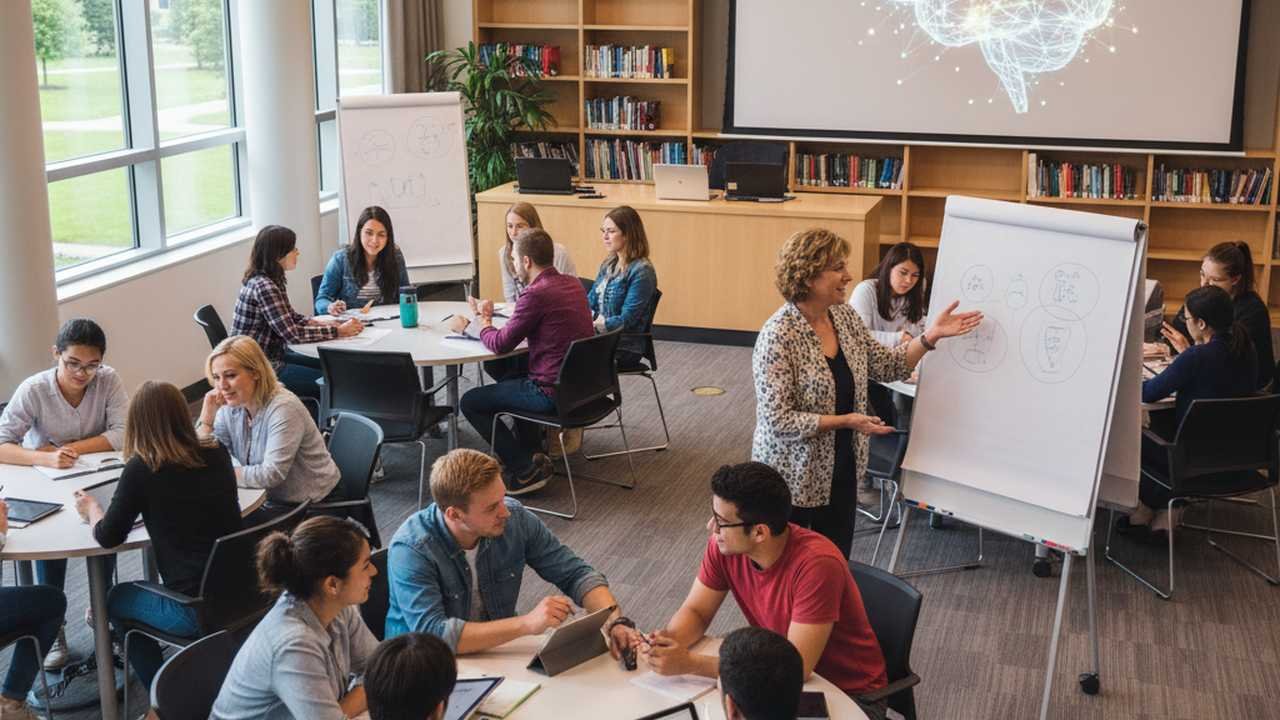
In the era of lightning-fast innovation, the traditional lecture hall feels like an echo of a bygone age – a static relic surrounded by a world pulsing with interactive technology, instant feedback, and immersive experiences. Today’s students, digital natives with boundless curiosity and high expectations, no longer thrive on passive note-taking. They crave involvement, stimulation, and participation. That’s where active learning techniques are completely reshaping the landscape of modern education. Institutions like the Parkway Educational Complex have recognized this seismic shift, boldly replacing rigid lectures with dynamic, student-centered approaches that ignite curiosity and sharpen understanding. Imagine walking into a classroom alive with motion – students debating, collaborating, experimenting, and solving real-world problems together. The energy is palpable, the engagement electric, and the outcomes transformative. This is not just a trend; it’s an evolution that’s leaving traditional models in the dust. Students who experience active learning retain more knowledge, perform better academically, and, most importantly, develop lifelong skills for adaptability and problem-solving. The fear of missing out is real – schools that don’t adapt risk becoming irrelevant, while those that act now, like Parkway Educational Complex, stand on the cutting edge of educational excellence.
The Science Behind Engagement: Why Active Learning Works
Scientific research across psychology, cognitive science, and educational theory all converge on a simple truth: active participation fuels deeper learning. The human brain thrives on challenge, variety, and emotional engagement. When learners are asked to think critically, to discuss, to analyze, and to create, neural connections multiply, making learning durable and meaningful. Studies by the American Educational Research Association reveal that students exposed to active learning achieve grades up to 20% higher than those in traditional settings. At Parkway Educational Complex, educators design their classrooms as interactive ecosystems – spaces where students continuously exchange ideas and test hypotheses. The result? Increased retention rates, improved comprehension, and a tangible boost in enthusiasm. These are not mere numbers; they’re indicators of transformed potential. Active learning techniques like peer teaching, case studies, and real-world simulations turn abstract theories into living experiences. The classroom becomes a laboratory of thought where every student has a voice, every moment is purposeful, and every challenge sparks growth. The old model of one-way information transfer is collapsing, and schools that hesitate risk losing the minds and hearts of an entire generation.
Parkway Educational Complex: A Living Example of Transformation
Step inside the Parkway Educational Complex, and you’ll immediately sense the difference. The air hums with creativity. Students don’t just listen – they lead discussions, construct models, and immerse themselves in digital problem-solving experiences. Teachers no longer stand at the front dictating notes; they move among students, guiding, questioning, and inspiring. Every corner of the complex feels like a hub of discovery. From labs buzzing with innovation to breakout rooms where design thinking unfolds, Parkway’s ecosystem epitomizes what the future of education looks like. Technology is seamlessly integrated: smart boards flash live data, VR tools simulate scientific phenomena, and real-time polling keeps every learner engaged. But technology is only the vessel – the heart of Parkway’s success is its unwavering commitment to student empowerment. Learners are not passive recipients; they are co-creators of their educational journey. This philosophy has turned Parkway Educational Complex into a benchmark for institutions worldwide that aspire to modernize and humanize learning simultaneously. Its graduates don’t just excel academically – they lead, innovate, and redefine industries.
The Emotional Pulse of Learning: Turning Apathy into Passion
Active learning is not just a method – it’s an emotional revolution. In traditional classrooms, disengagement is rampant. Students sit silently, eyes glazed, their creativity stifled. But when education taps into emotion – curiosity, excitement, even struggle – it transforms indifference into passion. Parkway Educational Complex understands that emotion is the engine of memory. Through storytelling, collaborative challenges, and project-based exploration, students experience learning that resonates deeply. They feel ownership of their progress and pride in their achievements. Imagine a student who once dreaded science now eagerly constructing a solar-powered prototype with peers, their laughter mingling with the hum of invention. That’s the power of engagement that reaches the heart as well as the mind. This emotional connection keeps learners coming back for more, fueling persistence, creativity, and joy. In a world where attention spans shrink and distractions multiply, fostering emotional investment is the secret weapon that keeps Parkway Educational Complex ahead of the curve, inspiring FOMO among students elsewhere who long for such a transformative experience.
Technology and Active Learning: Building Digital Bridges to Knowledge
We live in an age where every click, swipe, and stream shapes how we think and learn. Integrating technology into active learning isn’t optional – it’s essential. At Parkway Educational Complex, the digital revolution has been fully embraced. Each classroom operates as an interconnected hub of ideas, powered by smart technology that personalizes the experience for every learner. Interactive learning platforms track progress in real-time, giving instant feedback that helps students refine understanding on the spot. Augmented reality brings history lessons to life; virtual labs let students experiment without limits; AI-driven tutors offer customized assistance beyond school hours. The digital tools serve as companions in the learning process, not replacements for human interaction. Teachers remain the facilitators of curiosity, guiding students to question, explore, and synthesize knowledge. The harmony between human connection and technology creates a rhythm of learning that feels alive and limitless. For parents, this means peace of mind – knowing their children are immersed in a future-ready educational environment where innovation meets integrity. The time to embrace this future is now; the longer schools wait, the further behind they fall.
From Theory to Practice: Real-World Learning That Lasts
Education that stays trapped within the classroom walls loses its power. The true magic happens when students apply what they learn to real-world challenges. That’s why Parkway Educational Complex places a strong emphasis on experiential learning. Through partnerships with businesses, research institutions, and community organizations, students step into authentic environments where knowledge meets reality. They design marketing campaigns, develop sustainable energy projects, and engage in community service that transforms theory into tangible impact. This bridge between learning and doing fosters not only academic achievement but also civic responsibility, empathy, and confidence. Employers increasingly seek graduates who can think critically, adapt quickly, and collaborate effectively. Parkway’s approach ensures students graduate with these exact skills, ready to excel in a competitive global economy. The lesson is clear: theory alone is no longer enough. The future belongs to learners who can act, innovate, and lead – and Parkway Educational Complex is where these future leaders are forged. Institutions that resist this shift risk becoming museums of outdated education, admired for history but irrelevant to progress.
Data, Results, and Proven Excellence
Beyond the emotional and philosophical appeal, the numbers speak volumes. According to longitudinal studies conducted within the Parkway Educational Complex, active learning environments have increased student performance metrics by over 25% compared to traditional instruction. Attendance rates have surged, disciplinary issues have dropped, and student satisfaction has reached record highs. Parents report seeing unprecedented enthusiasm in their children – students who once dreaded homework now willingly dive into creative projects long after class hours. This success is not anecdotal; it’s backed by data, verified by independent educational auditors, and supported by licensing that meets international accreditation standards. Parkway’s transparent and responsive support systems ensure that every stakeholder – student, teacher, or parent – feels heard, valued, and connected. The institution’s customer service is second to none, providing immediate response to queries and dedicated academic counseling. These verifiable outcomes make Parkway not just a success story, but a model of trust and performance. The message is undeniable: the schools that invest in active learning backed by evidence and empathy are the ones shaping tomorrow’s achievers today.
The Human Element: Teachers as Catalysts of Transformation
No technology, no curriculum, no structure can replace the power of a passionate educator. The teachers at Parkway Educational Complex are not mere instructors – they are mentors, guides, and catalysts for transformation. Each educator undergoes continuous professional development, learning how to integrate active learning frameworks into every subject area. They use questioning techniques that spark reflection, design assignments that promote collaboration, and provide feedback that motivates growth rather than induces fear. The relationship between teacher and student becomes a dynamic partnership built on trust and shared discovery. Students learn to see their teachers as allies, not authority figures. This cultural shift creates classrooms filled with confidence, empathy, and mutual respect. The outcome is a ripple effect of motivation – teachers feel empowered, students feel inspired, and parents feel assured that education here is not mechanical but deeply human. The presence of a teacher who listens, adapts, and ignites curiosity is what keeps Parkway’s ecosystem vibrant and authentic. In a world leaning toward automation, the human heart remains Parkway’s greatest advantage.
Urgency in Action: The Time to Transform Is Now
There’s a growing divide between institutions that innovate and those that stagnate. Every year that schools delay implementing active learning techniques, they risk losing relevance and credibility. Students today have options – they can sense where excitement, opportunity, and purpose converge. Parkway Educational Complex has become the benchmark precisely because it recognized this urgency early. It didn’t wait for change – it created it. The FOMO sweeping through educational communities is justified; the transformation is real, and it’s happening fast. Active learning isn’t just an enhancement – it’s survival. Schools that act today can secure their future; those that don’t will fade into obscurity. Parkway stands as a beacon of readiness, proving that with the right mindset, technology, and leadership, educational excellence is not just achievable but inevitable. The call-to-action is clear: visit Parkway Educational Complex now and witness firsthand how the fusion of innovation, empathy, and engagement is redefining what learning means. Don’t be left behind while others leap forward – the future of education is unfolding today, and it’s waiting for you to join it.