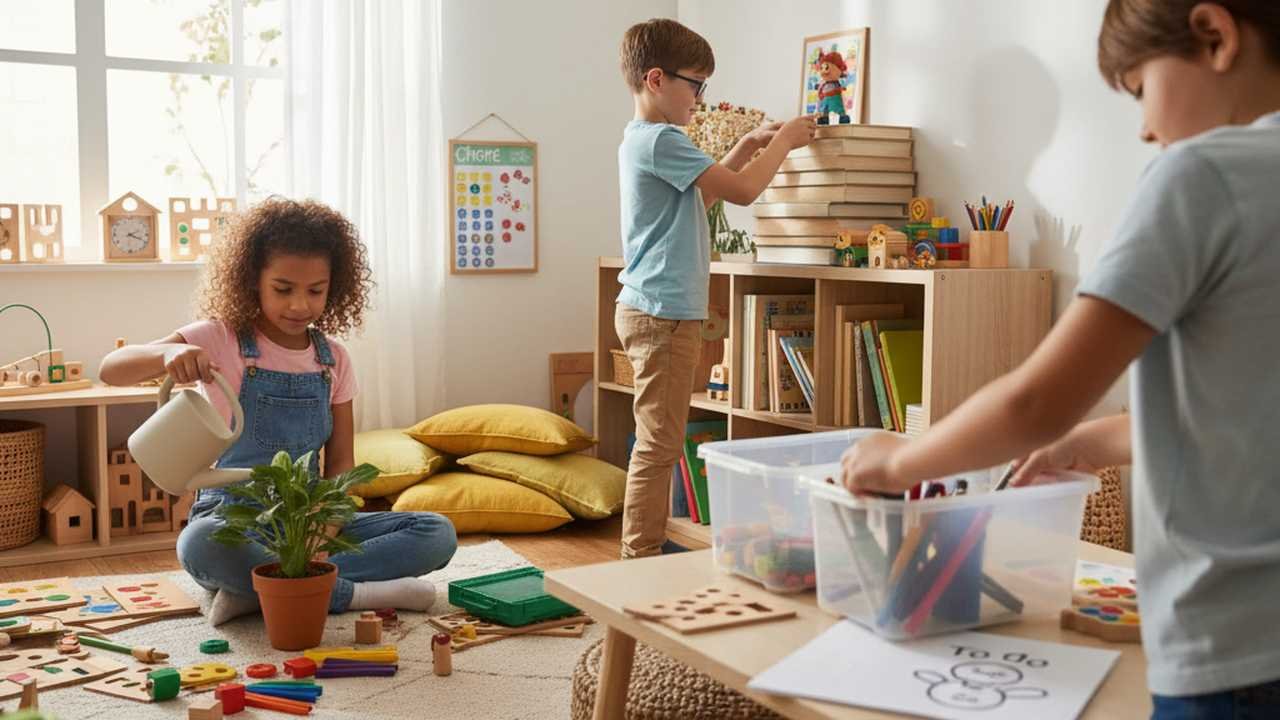
In today’s fast-paced world, where every moment counts and opportunities slip away in the blink of an eye, fostering independence, self-discipline, and accountability in children has never been more urgent. These qualities are not just desirable – they are essential for success in school, life, and beyond. Yet, many parents and educators overlook the profound impact they can have on a child’s future by neglecting to nurture these traits early on. The clock is ticking, and every day without these skills is a day lost. Don’t let your child fall behind. Act now to equip them with the tools they need to thrive.
Understanding the Urgency of Building Independence
Independence is the cornerstone of a child’s development. It’s the ability to make decisions, solve problems, and take responsibility for one’s actions. Without it, children become reliant on others, unable to navigate the complexities of life on their own. This dependency can lead to frustration, anxiety, and a lack of confidence. The urgency of fostering independence cannot be overstated. Every moment spent without this skill is a missed opportunity for growth. Parents and educators must seize every chance to encourage self-reliance, whether it’s allowing a child to choose their outfit, make decisions about their activities, or solve problems independently. These seemingly small acts are the building blocks of a confident, capable individual.
The Power of Self-Discipline in a Distracted World
In an era dominated by digital distractions, cultivating self-discipline in children is more critical than ever. The ability to focus, delay gratification, and persevere through challenges sets successful individuals apart. Without self-discipline, children are susceptible to the allure of instant gratification, leading to procrastination, poor academic performance, and a lack of achievement. The urgency of developing this trait is evident. Parents must implement strategies that promote self-control, such as setting clear expectations, providing consistent routines, and modeling disciplined behavior. By doing so, they equip children with the resilience needed to navigate a world full of temptations and distractions.
Accountability: The Key to Building Trust and Responsibility
Accountability is the thread that ties independence and self-discipline together. It involves taking ownership of one’s actions and understanding the consequences of those actions. Teaching children accountability is not just about enforcing rules; it’s about fostering a sense of responsibility and trust. When children understand that their actions have consequences, they are more likely to make thoughtful decisions and learn from their mistakes. The urgency of instilling this value is clear. Without accountability, children may develop a sense of entitlement, blame others for their shortcomings, and struggle to take responsibility for their actions. Parents and educators must create environments where accountability is emphasized, such as through consistent consequences, open communication, and opportunities for children to reflect on their choices.
Practical Strategies to Foster Independence
Implementing practical strategies is essential in nurturing independence in children. One effective approach is to provide opportunities for children to make choices in their daily lives. Whether it’s selecting their meals, choosing their extracurricular activities, or deciding how to spend their free time, giving children the autonomy to make decisions empowers them and builds their confidence. Additionally, assigning age-appropriate responsibilities, such as household chores or managing their schedules, teaches children the importance of contributing to their community and taking ownership of their tasks. These practices not only promote independence but also instill a strong work ethic and a sense of accomplishment.
Developing Self-Discipline Through Structured Routines
Self-discipline thrives in an environment of structure and consistency. Establishing daily routines helps children understand expectations and develop time-management skills. For instance, setting specific times for homework, meals, and bedtime creates a predictable schedule that children can follow. This predictability reduces anxiety and helps children manage their time effectively. Moreover, involving children in planning their routines allows them to take ownership of their schedules and develop a sense of control. Parents and educators should collaborate with children to set realistic goals and establish routines that promote self-discipline, ensuring that these structures are flexible enough to adapt to individual needs and circumstances.
Encouraging Accountability Through Reflection and Consequences
Teaching accountability involves more than just enforcing rules; it requires fostering an environment where children can reflect on their actions and understand the impact of their behavior. One effective method is to engage children in discussions about their choices, encouraging them to consider alternative actions and outcomes. This reflective practice helps children develop critical thinking skills and a deeper understanding of responsibility. Additionally, implementing consistent and fair consequences for actions reinforces the importance of accountability. It’s crucial that these consequences are not punitive but serve as learning opportunities, guiding children toward better decision-making in the future.
The Role of Physical Education in Building Discipline and Accountability
Physical education plays a pivotal role in developing discipline and accountability in children. Through sports and physical activities, children learn the value of practice, perseverance, and teamwork. These experiences teach them that success requires effort and that they are accountable for their performance. Engaging in regular physical activity also promotes mental well-being, reduces stress, and enhances focus, all of which contribute to improved self-discipline. Parents and educators should encourage participation in physical education programs and extracurricular sports to provide children with opportunities to develop these essential life skills.
Leveraging Technology to Support Independence and Accountability
Incorporating technology can be a powerful tool in promoting independence and accountability. Educational apps and online platforms offer interactive learning experiences that encourage children to take initiative and responsibility for their learning. Tools that track progress and set goals can motivate children to stay disciplined and accountable. However, it’s essential to balance screen time with other activities to prevent over-reliance on technology. Parents and educators should guide children in using technology responsibly, ensuring that it serves as a supplement to, rather than a replacement for, traditional learning and personal development.
Building a Supportive Environment for Growth
Creating a supportive environment is crucial in fostering independence, self-discipline, and accountability. This environment should be characterized by open communication, positive reinforcement, and opportunities for children to take risks and learn from their experiences. Encouraging a growth mindset, where challenges are viewed as opportunities for learning, helps children develop resilience and a positive attitude toward failure. Additionally, providing consistent support and guidance ensures that children feel secure as they navigate their journey toward independence. Parents and educators must collaborate to create environments that nurture these qualities, setting children on a path toward lifelong success.