Understanding the Urgency: The Hidden Dangers Lurking in Your Kitchen
Every day, millions unknowingly expose themselves to the silent threat of foodborne illnesses. The kitchen, often seen as a sanctuary of nourishment, can transform into a breeding ground for harmful pathogens if proper safety measures aren’t followed. Imagine biting into a seemingly innocent salad, only to fall victim to a debilitating illness days later. This isn’t a rare occurrence. According to the World Health Organization, unsafe food containing harmful bacteria, viruses, parasites, or chemical substances causes more than 200 diseases, ranging from diarrhea to cancers. The consequences can be severe, especially for infants, young children, the elderly, and the immunocompromised. The urgency to adopt safe food handling practices has never been more critical. Your family’s health and well-being depend on the precautions you take today.
The Core Four: Clean, Separate, Cook, and Chill
These four foundational principles are your first line of defense against foodborne illnesses. Let’s delve deeper into each:
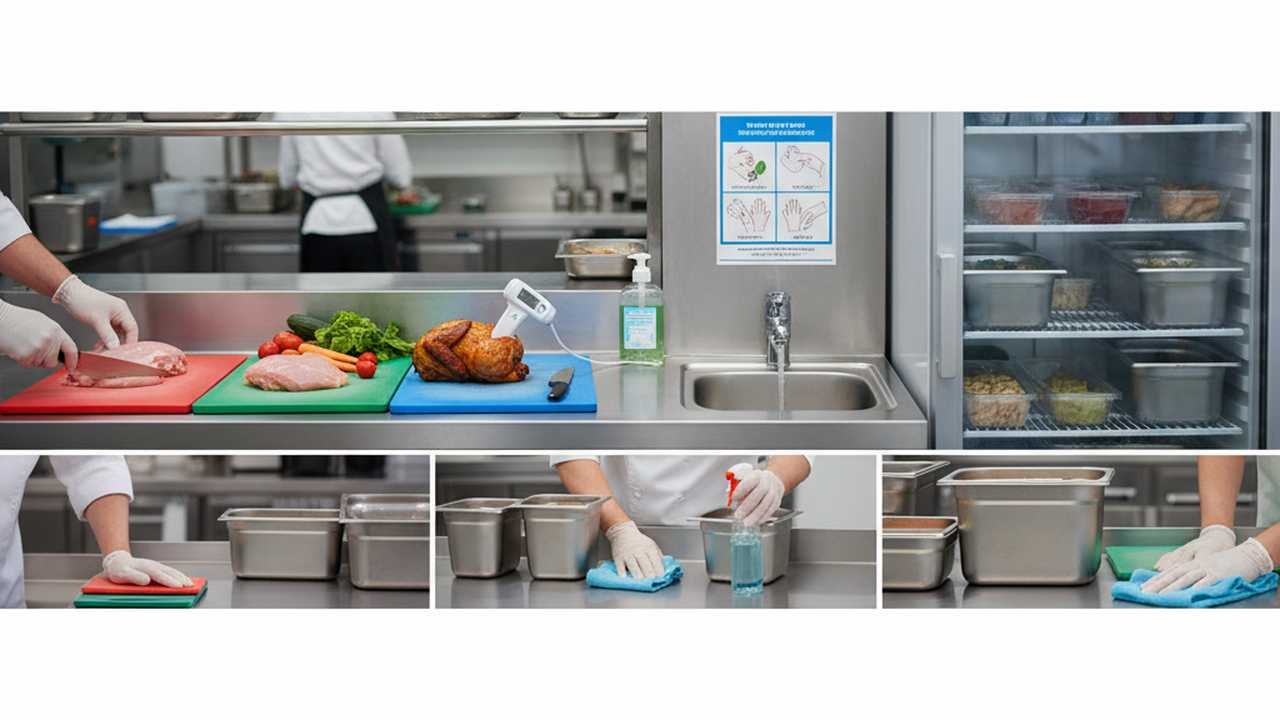
Clean: Germs that cause food poisoning can survive in many places and spread around your kitchen. Wash your hands with soap and warm or cold water for at least 20 seconds before, during, and after preparing food and before eating. Always wash hands after handling uncooked meat, chicken, seafood, flour, or eggs. Wash your utensils, cutting boards, and countertops with hot, soapy water after preparing each food item. Rinse fresh fruits and vegetables under running water.
Separate: Don’t cross-contaminate. Raw meat, chicken, seafood, and eggs can spread germs to ready-to-eat food unless you keep them separate. When grocery shopping, keep raw meat, poultry, seafood, and their juices away from other foods. Keep raw or marinating meat, poultry, seafood, and eggs separate from all other foods in the refrigerator. Store raw meat, poultry, and seafood in sealed containers or wrap them securely so the juices don’t leak onto other foods. Use one cutting board or plate for raw meat, poultry, and seafood and a separate cutting board or plate for produce, bread, and other foods that won’t be cooked.
Cook: Cook to the right temperature. Use a food thermometer to ensure foods are cooked to a safe internal temperature.
Chill: Refrigerate promptly. Refrigerate perishable foods within 2 hours; within 1 hour if the temperature is above 90°F (32°C). Keep your refrigerator at 40°F (4°C) or below.
Preventing Cross-Contamination: A Silent Threat
Cross-contamination is the physical movement or transfer of harmful bacteria from one person, object, or place to another. It’s a silent threat that often goes unnoticed until it’s too late. To prevent this, always wash hands with soap and hot water before and after handling food, and after using the bathroom, changing diapers, or handling pets. Use hot, soapy water and paper towels or clean cloths to wipe up kitchen surfaces or spills. Wash cloths often in the hot cycle of your washing machine. Wash cutting boards, dishes, and countertops with hot, soapy water after preparing each food item and before you go on to the next item.
Proper Food Storage: The Foundation of Safety
Storing food properly is crucial in preventing the growth of harmful bacteria. Perishable items should be refrigerated below 40°F (4°C), and hot items should remain above 140°F (60°C). Regular thermometer checks ensure compliance while upholding quality and safety standards. For instance, raw poultry should be stored at the bottom of the refrigerator to prevent its juices from contaminating other foods. Using bowls, food containers, or sheet pans to contain raw poultry is an effective alternative to prevent contamination if bottom storage isn’t possible.
Cooking to the Right Temperature: Ensuring Safety
Cooking food to the right temperature is essential in killing harmful bacteria. Use a food thermometer to ensure foods are cooked to a safe internal temperature. For example, ground beef should be cooked to an internal temperature of 160°F (71°C), while poultry should reach 165°F (74°C). This ensures that harmful pathogens are destroyed, making the food safe to consume.
Chilling and Leftovers: Don’t Let Your Guard Down
Refrigerate perishable foods within 2 hours; within 1 hour if the temperature is above 90°F (32°C). Keep your refrigerator at 40°F (4°C) or below. Leftovers should be reheated to a rolling boil or to an internal temperature of 165°F (74°C) before consumption. Always store leftovers in shallow containers to allow for rapid cooling.
Training and Education: Empowering Yourself and Others
Education is a powerful tool in the fight against foodborne illnesses. Participating in food safety training courses can provide you with the knowledge and skills needed to handle food safely. Organizations like ServSafe offer food and alcohol safety training and certification exams created by foodservice professionals. Taking these programs online or in a classroom setting can equip you with the necessary tools to ensure food safety in your home or workplace.
Real-World Impact: Stories of Prevention
Consider the story of a family who, after attending a food safety workshop, implemented proper handwashing and food storage practices in their home. Within months, they noticed a significant decrease in foodborne illnesses among their children. This real-world example underscores the importance of adopting safe food handling practices and the positive impact they can have on health and well-being.
Don’t Wait: Take Action Now
The threat of foodborne illnesses is real, but it can be prevented. By implementing the core four practices – clean, separate, cook, and chill – and staying informed through training and education, you can protect yourself and your loved ones. Don’t wait for an illness to strike. Take action now to ensure the safety of the food you prepare and consume.
In today’s world, the safe handling of chemicals, waste, and hazardous materials is more crucial than ever to protect both human health and the environment. To learn more about essential practices and protocols, check out our detailed article on the Meta Title that outlines the top guidelines for safety in these critical areas.
Ensuring food safety is crucial in preventing contamination and protecting public health. For those looking to enhance their knowledge, resources like bobby parrish education provide essential guidelines for safe handling and preparation of food.