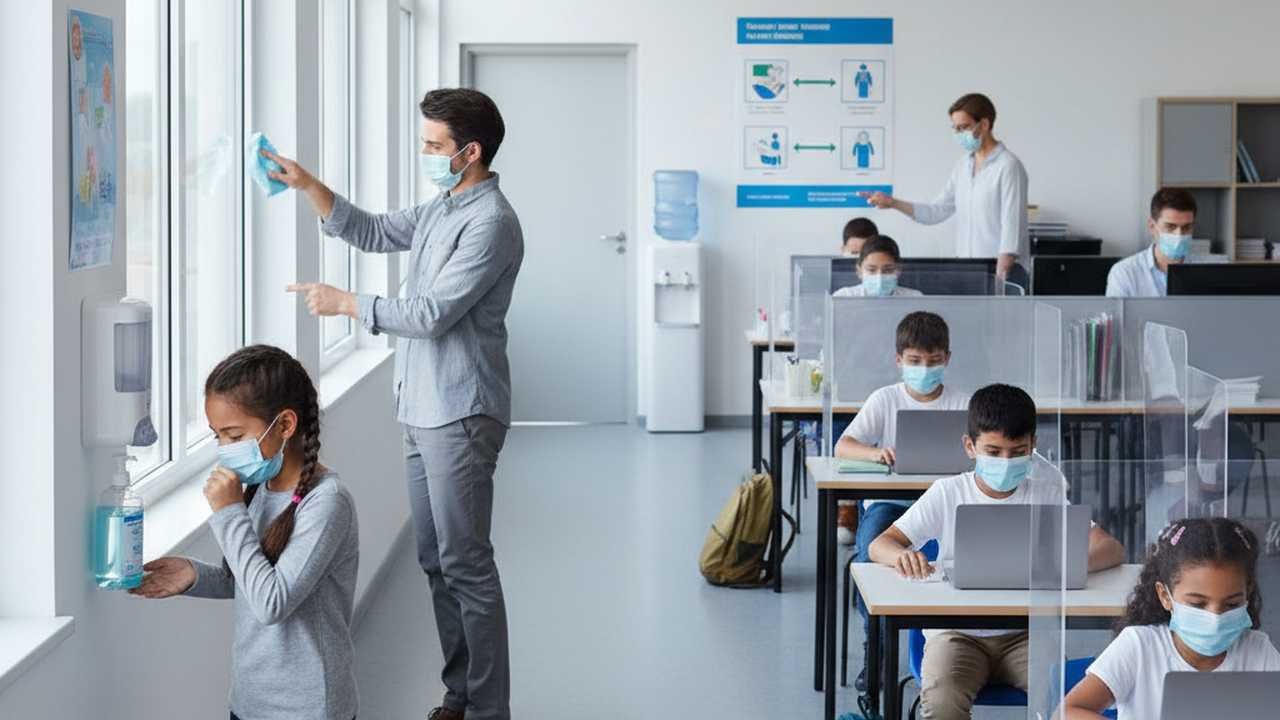
The seasonal flu is not just a nuisance – it’s a silent disruptor that can sweep through schools and offices with alarming speed, leaving a trail of absenteeism, disrupted productivity, and health concerns. As the flu season approaches, the urgency to implement effective preventive measures has never been more critical. Understanding and acting upon these strategies can be the difference between a healthy, thriving environment and one plagued by illness.
Understanding the Flu’s Impact on Educational and Workplace Settings
In schools and offices, the seasonal flu can spread rapidly due to close contact among individuals, shared spaces, and communal equipment. The virus thrives in these environments, affecting students, teachers, employees, and employers alike. The consequences are far-reaching: students miss valuable learning time, teachers face increased workloads, and businesses experience decreased productivity. The ripple effect extends to families and communities, highlighting the need for comprehensive flu prevention strategies.
Implementing effective measures to reduce the spread of the flu is not just about protecting individual health; it’s about safeguarding the collective well-being of the entire community. By fostering an environment where flu prevention is a shared responsibility, schools and offices can mitigate the impact of the flu season and maintain a healthy, productive atmosphere.
The Crucial Role of Vaccination
Vaccination stands as the most powerful tool in preventing the seasonal flu. The Centers for Disease Control and Prevention (CDC) emphasizes that everyone aged six months and older should receive a flu vaccine annually. This simple yet effective measure significantly reduces the risk of contracting and spreading the virus. In educational and workplace settings, promoting flu vaccination can lead to higher vaccination rates, thereby enhancing community immunity.
Educational campaigns within schools and offices can play a pivotal role in encouraging vaccination. Providing accessible information about the benefits and availability of the flu vaccine, organizing on-site vaccination clinics, and addressing common misconceptions can increase participation rates. When individuals are well-informed and have easy access to the vaccine, they are more likely to take proactive steps in protecting themselves and others.
Promoting Hygiene Practices to Prevent Flu Transmission
Hand hygiene is a cornerstone of flu prevention. Regular handwashing with soap and water for at least 20 seconds can significantly reduce the transmission of the flu virus. In schools and offices, placing hand sanitizing stations in high-traffic areas, such as entrances, hallways, and break rooms, ensures that individuals have easy access to hand hygiene resources. Encouraging the use of these stations through signage and reminders can reinforce the importance of this practice.
Additionally, teaching and reinforcing proper respiratory etiquette – such as covering coughs and sneezes with tissues or elbows – can prevent the spread of respiratory droplets that carry the flu virus. In schools, incorporating these practices into daily routines and curricula can instill lifelong habits in students. In offices, leaders and managers can set an example by adhering to these practices and encouraging their teams to do the same.
Implementing Effective Cleaning and Disinfection Protocols
Regular cleaning and disinfection of frequently touched surfaces – such as doorknobs, light switches, keyboards, and phones – are essential in reducing the spread of the flu virus. Establishing a routine cleaning schedule, especially during peak flu season, ensures that these surfaces are consistently sanitized. In schools, custodial staff should be trained on effective cleaning techniques and provided with the necessary supplies to perform their duties efficiently.
In offices, employers can collaborate with cleaning services to ensure that high-touch areas are disinfected regularly. Providing employees with disinfectant wipes and encouraging them to clean their personal workspaces can further enhance these efforts. By maintaining a clean environment, schools and offices can minimize the presence of the flu virus on surfaces and reduce the likelihood of transmission.
Encouraging Sick Individuals to Stay Home
One of the most effective ways to prevent the spread of the flu is to encourage individuals who are feeling unwell to stay home. In schools, this means students who exhibit flu-like symptoms should be kept at home until they are no longer contagious. In offices, employees should be reminded of the importance of staying home when sick and provided with flexible sick leave policies that support this decision.
Creating a culture that prioritizes health over presenteeism is crucial. When individuals feel supported in staying home when ill, they are less likely to come to school or work and potentially infect others. This approach not only protects the individual but also safeguards the health of the broader community, ensuring that the flu does not spread unchecked.
Leveraging Technology for Flu Prevention
Technology can be a powerful ally in the fight against the seasonal flu. Schools and offices can utilize digital platforms to disseminate information about flu prevention, vaccination clinics, and health guidelines. Email newsletters, intranet portals, and social media channels can reach a wide audience quickly and efficiently.
Additionally, implementing digital tools for reporting absences and tracking flu-related symptoms can help administrators monitor trends and respond proactively. For instance, if a significant number of students or employees report flu-like symptoms, targeted interventions – such as temporary class or office closures – can be considered to prevent further spread. By embracing technology, schools and offices can enhance their flu prevention efforts and maintain a healthier environment.
Educating the Community About Flu Prevention
Education is a powerful tool in preventing the spread of the flu. Schools and offices should invest in comprehensive educational programs that inform individuals about the importance of flu prevention measures. Workshops, seminars, and informational materials can cover topics such as the benefits of vaccination, proper hand hygiene techniques, and the importance of staying home when sick.
In schools, involving students in these educational efforts can be particularly effective. Peer-led initiatives, such as health ambassador programs, can empower students to take ownership of their health and influence their peers positively. In offices, managers can lead by example, participate in training sessions, and encourage open discussions about flu prevention. By fostering an informed community, schools and offices can create an environment where flu prevention is a shared responsibility.
Monitoring and Responding to Flu Outbreaks
Even with proactive measures in place, flu outbreaks may still occur. Schools and offices should have protocols for monitoring and responding to these situations. This includes tracking absenteeism rates, identifying patterns of flu-like symptoms, and implementing additional interventions as needed.
In schools, this may involve temporarily closing classes or grades where flu outbreaks are concentrated. In offices, employers may consider flexible work arrangements, such as remote work or staggered shifts, to reduce the number of individuals in the workplace at any given time. Prompt and decisive action can help contain outbreaks and prevent widespread illness.
Creating a Culture of Health and Well-being
Ultimately, reducing the spread of the seasonal flu in schools and offices requires a cultural shift towards prioritizing health and well-being. This involves integrating flu prevention measures into daily routines, fostering open communication about health concerns, and supporting individuals in making health-conscious decisions.
By creating an environment where health is valued and supported, schools and offices can not only reduce the spread of the flu but also enhance overall productivity, morale, and community well-being. This cultural shift requires commitment from all levels – administrators, educators, employees, and students – to work together towards a common goal of health and safety.