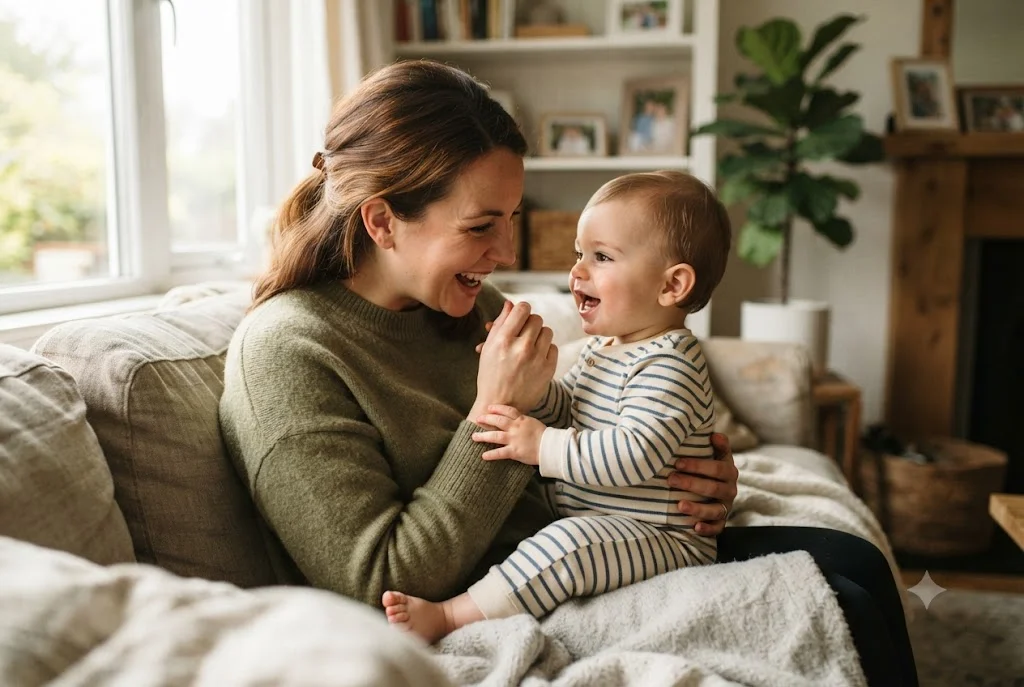
How do babies learn language is a question that fascinates parents, educators, and language learners alike. From their first cries to forming simple sentences, babies develop language skills through a natural and gradual process. This journey, known as first language acquisition, provides valuable insights into how humans learn to communicate effectively.
Understanding how language development in children works can also help adults improve their own learning strategies. In fact, many modern language learning methods are inspired by how babies naturally absorb language.
How Do Babies Learn Language in Early Stages?
Babies begin learning language long before they say their first words. From birth, they are exposed to sounds, tones, and patterns that shape their understanding of communication.
1. Listening and Recognition
In the first few months, babies focus on listening. They begin to recognize familiar voices, especially those of caregivers. Over time, they start distinguishing between different sounds and rhythms.
2. Babbling and Experimentation
Around 6 months, babies start babbling. These sounds may not form real words, but they are essential for practicing pronunciation and speech patterns.
3. First Words
By their first year, many babies begin saying simple words like “mama” or “dada.” These words often relate to familiar people or objects.
4. Combining Words
As they grow, toddlers start combining words into short phrases. This marks the beginning of meaningful communication.
The Role of First Language Acquisition
First language acquisition is the natural process through which children learn their native language. Unlike adults, babies do not rely on formal instruction. Instead, they learn through exposure, interaction, and repetition.
This process highlights the importance of meaningful input. Babies learn best when they hear language used in context, such as during conversations, storytelling, or everyday activities.
How Environment Influences Language Development in Children
Language development in children is strongly influenced by their environment. The more they are exposed to language, the faster they learn.
Interaction with Caregivers
Talking, reading, and singing to babies helps them understand language patterns. Responsive communication encourages them to participate actively.
Social Engagement
Babies learn through interaction. Facial expressions, gestures, and tone of voice all contribute to understanding meaning.
Exposure to Rich Vocabulary
Hearing a variety of words in different contexts helps expand a child’s vocabulary naturally.
Connection to Modern Language Learning Methods
The way babies learn language has inspired many modern teaching approaches. For example, methods like comprehensible input language learning focus on understanding meaningful content rather than memorizing rules.
Similarly, adults often wonder why some people learn languages faster than others. This can be explored further through a language learning aptitude test, which evaluates cognitive strengths related to language acquisition.
Why Babies Learn Language So Quickly
Babies have unique advantages that make language learning easier for them:
- Brain Plasticity: Their brains are highly adaptable and can absorb new information بسرعة.
- No Fear of Mistakes: Babies experiment freely without worrying about errors.
- Constant Exposure: They are surrounded by language daily.
- Natural Curiosity: They are motivated to understand and communicate.
These factors allow children to develop language skills rapidly compared to most adult learners.
Common Myths About How Babies Learn Language
Babies Learn Only by Listening
While listening is important, interaction plays a key role. Babies need engagement and feedback to develop communication skills.
Talking Early Means Higher Intelligence
Children develop at different rates. Early speech does not necessarily indicate higher intelligence.
Multiple Languages Cause Confusion
Research shows that babies can learn multiple languages simultaneously without confusion.
According to findings from early childhood development research, exposure and interaction are key drivers of language growth.
How Adults Can Learn from Babies
Adults can apply several lessons from how babies learn language:
- Focus on understanding before speaking
- Engage with real-life content
- Practice consistently
- Accept mistakes as part of learning
By adopting these principles, learners can create a more natural and effective learning experience.
Final Thoughts on How Do Babies Learn Language
How do babies learn language is not just a fascinating topic—it is a powerful guide for anyone learning a new language. Through listening, interaction, and meaningful exposure, babies build communication skills step by step.
By understanding this natural process, learners of all ages can improve their approach and achieve better results. Whether you are a parent or a language learner, these insights offer practical strategies for long-term success.